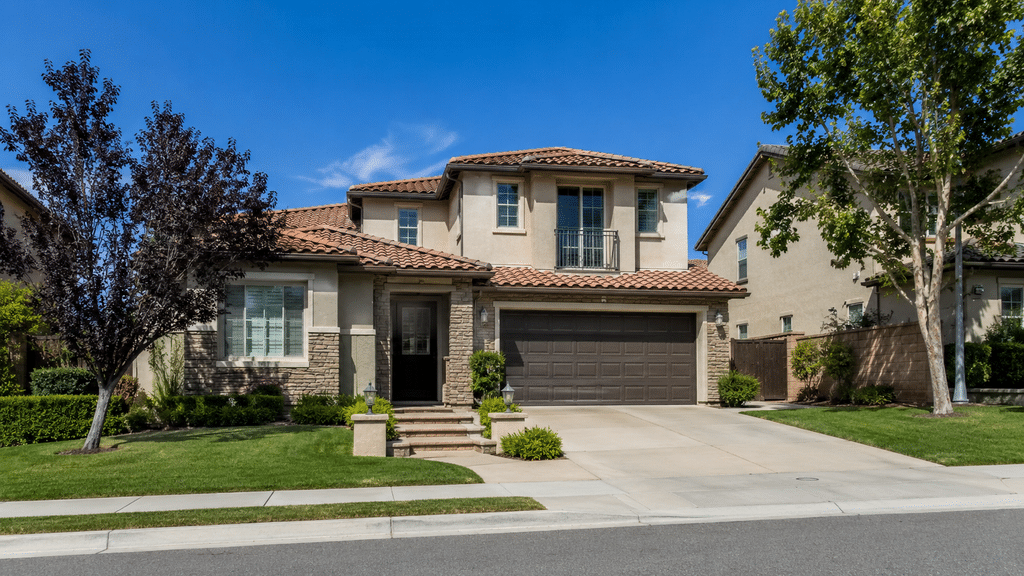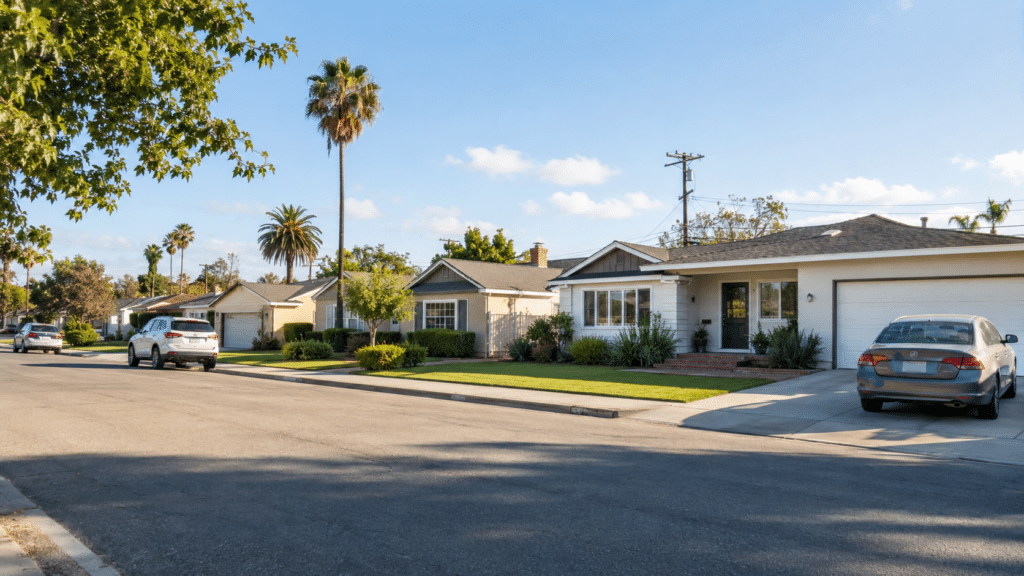

A rental listing only works as hard as the advertising behind it. Two identical homes can get very different results depending on how you market them. One sits vacant for weeks, and the other is leased within days. Knowing how to advertise a rental property correctly, from preparing the home to choosing where the listing appears, is one of the most direct ways a landlord can shorten vacancy time and attract stronger applicants.
This guide walks through the process step by step, covering what to do before you post a listing, how to write one that attracts qualified renters, and where to advertise for the best results.
Why Effective Advertising Matters for Vacancy Rates
Every day a rental sits vacant is a day of lost income. A weak listing, poor photos, or the wrong advertising platforms can extend a vacancy longer than necessary, and a rushed listing often attracts less qualified applicants simply because it reaches fewer of the right people.
Effective rental property advertising does two things at once. It shortens the time a unit sits empty and improves the applicant pool by putting the listing in front of renters who are a good fit for the home.
Prepare The Property Before You Advertise
Start advertising only after the property is ready to show, not before. A rushed listing with outdated photos or an unprepared home can undercut even a well-written description.
Before creating any ads, confirm that the home is:
- Clean and free of clutter in every room
- Free of visible repair issues
- Well-lit, with working fixtures throughout
- Presentable outside, including landscaping and entryways
A property that’s genuinely ready to photograph well and hold up during in-person showings, which helps convert interest into applications. Landlords working with a maintenance team can usually move through pre-listing repairs faster, rather than juggling vendor calls on their own while trying to get a listing live.
Write A Listing That Attracts Qualified Tenants
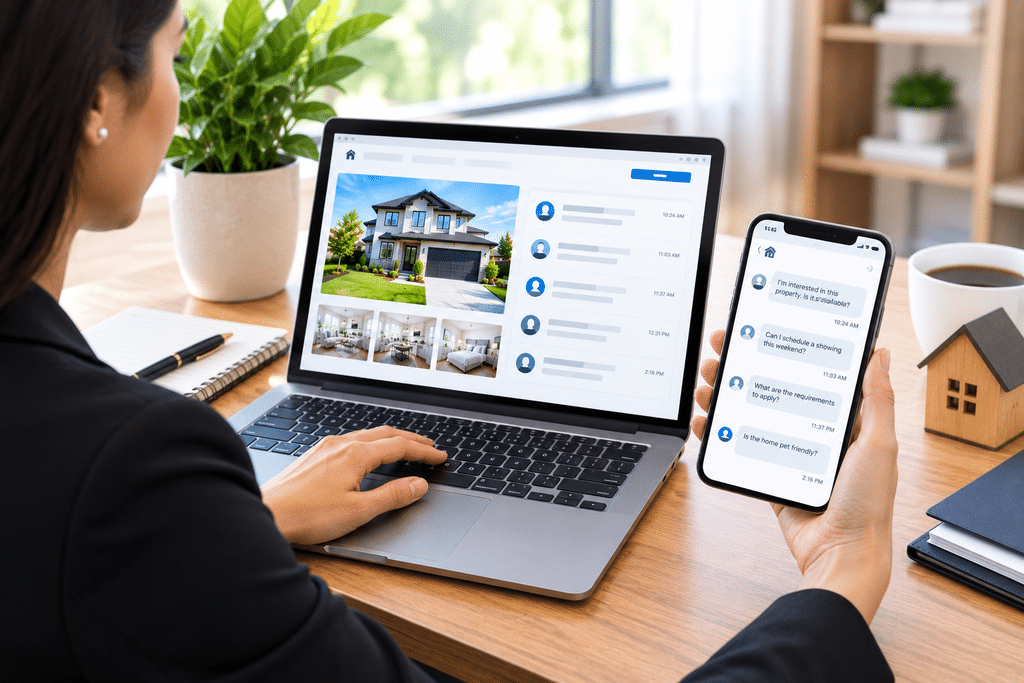
Take Professional Photos
Photos are usually the first thing a renter sees, and often the deciding factor in whether they click into a listing at all. Bright, well-composed photos of every major room, along with the exterior, consistently outperform a handful of rushed phone photos. Shoot during the day when natural light is strongest, and photograph each room from a corner to make the space feel larger and easier to picture living in.
If the budget allows, a short video walkthrough can add confidence for renters searching from out of the area who can’t attend an in-person showing right away.
Highlight The Details Renters Search For
Most rental sites let renters filter by specific details, so a listing that skips them may not appear in relevant searches. Make sure the listing clearly includes:
- Bedroom and bathroom count
- Square footage
- Parking availability
- Pet policy
- Lease length
- Rent amount and deposit
- Included utilities or appliances
Use Clear, Fair, and Accurate Language
A listing should be appealing without exaggerating. Overpromising in a description can lead to disappointed showings and wasted time on both sides. Listing language should also comply with fair housing requirements by describing the property and its features rather than the type of tenant the landlord envisions living there. Setting accurate expectations at this stage also carries over once someone becomes a resident; a listing that oversells the home tends to create friction right from move-in.
Where To Advertise Your Rental Property
Online exposure is the single biggest factor in how many qualified renters see a listing. Most successful rental campaigns post across several major rental sites at once, rather than relying on just one platform, since different renters search in different places and no single site captures the entire local rental market.
A strong advertising plan typically includes:
- Major rental listing sites
- Local classifieds and community groups
- Social media, where relevant
- Property signage for drive-by interest
- The landlord’s or manager’s own website, if available
Posting in multiple places increases the chances of reaching the right renter quickly, rather than waiting for the right person to stumble across a single listing. Keeping every platform’s details consistent and coordinating them across sites is part of what a broader marketing services approach handles for landlords who’d rather not track each platform manually. Mismatched rent amounts, availability dates, or photos between sites can create confusion and cost a landlord serious inquiries.
Time Your Listing With The Rental Market
Rental demand isn’t constant throughout the year. In most markets, activity picks up in the spring and stays strong through summer, when more renters are actively searching and relocating. Listing during a high-demand period can mean more inquiries, faster showings, and stronger applicants.
That said, a well-marketed listing can still perform outside peak season. The key is applying the same standards of preparation, photos, and multi-platform posting no matter when the vacancy comes up, whether the property is in Valencia, Woodland Hills, Palmdale, or anywhere else across the Santa Clarita Valley, San Fernando Valley, or Antelope Valley.
What Happens Once Inquiries Start Coming In

Advertising is only half the battle in filling a vacancy. Once inquiries start arriving, response speed matters: renters comparing several listings tend to move forward with whichever landlord responds first and makes scheduling a showing easy. A delayed response, even by a day or two, often means losing an otherwise qualified applicant to a competing listing.
From there, every applicant should go through the same screening process, including income verification, rental history, and background checks, so the strongest tenant is selected consistently and fairly. This is often where landlords managing a property solo start to see the appeal of full property management support, since a dedicated team makes consistent screening easier to maintain.
Common Advertising Mistakes That Slow Down Leasing
Even a well-intentioned advertising effort can stall a vacancy if a few common mistakes creep in. Watch for:
- Underpricing or overpricing the unit, which either leaves money on the table or filters out otherwise qualified renters before they ever reach out
- Listing before the property is ready, which forces awkward showings and can turn off interested applicants
- Inconsistent details across platforms, such as a different rent amount or availability date on one site than another
- Vague or incomplete descriptions, which cause the listing to be excluded from filtered searches
- Slow follow-up on inquiries, which sends interested renters straight to a competing listing
Avoiding these issues is often just as important as the advertising itself.
When To Bring In Professional Leasing Help

Advertising a rental property well takes time: preparing the home, writing the listing, managing inquiries, and coordinating showings all add up, especially for landlords balancing a full-time job or managing a property from a distance.
Professional Leasing support can take on this entire process, from marketing to move-in. For landlords who want the full picture of what that kind of support includes, our guide to tenant placement services breaks down what’s covered and what it typically costs. For owners who want support beyond the leasing stage, full-service property management covers the entire tenancy, not just filling the vacancy.
Conclusion
Knowing how to advertise a rental property effectively comes down to a few consistent steps: prepare the home, write a listing that highlights what renters are actually searching for, post across multiple platforms, and respond quickly once inquiries start coming in. Landlords who follow this process consistently tend to see shorter vacancies and stronger, more qualified applicants.
If advertising, showings, and screening are taking up more time than you’d like, Bird Property Management provides professional leasing and marketing support for rental property owners throughout the Santa Clarita Valley, San Fernando Valley, and Antelope Valley. Schedule a consultation to talk through your property and vacancy timeline.
FAQs
How Do I Advertise My Rental Property For Free?
Many rental listing sites offer free or low-cost posting options, and local classifieds, community groups, and social media can add reach at no cost. However, paid syndication tools often broaden exposure further.
Where Is the Best Place to Advertise a Rental Property?
There isn’t a single best platform. Posting across several major rental sites, along with signage and word of mouth, typically reaches more qualified renters than relying on one source.
What Makes A Rental Listing Attract More Qualified Tenants?
Clear, accurate details, professional photos, and complete information about rent, deposit, and lease terms help attract renters who are a genuine fit for the property.
How Long Should It Take To Fill A Rental Vacancy?
Timelines vary by market and season, but a well-prepared, well-advertised listing generally fills faster than one with limited photos or exposure to only one platform.
Should I Advertise My Rental Property Myself Or Get Help?
Many landlords advertise successfully on their own, but those short on time, managing multiple units, or living outside the area often benefit from professional leasing support.
Does Timing Affect How Fast A Rental Property Gets Leased?
Yes. Listings posted during higher-demand months, typically spring and summer, tend to attract more inquiries, though a well-marketed listing can still perform well at other times of year.