
A single-family rental doesn’t run like a small apartment building, and treating it like one is where many new landlords trip up. No HOA handles the landscaping, no building super fields maintenance calls, and no shared roof is split across twelve units. One Owner, one house, and everything that comes with it lands on that one owner directly.
This guide covers what actually changes when the property is a house rather than a unit in a larger building, and where that difference tends to catch self-managing owners off guard.
Why A House Doesn’t Manage Like An Apartment
An apartment sits inside a system that already absorbs a lot of the work: shared maintenance staff, a leasing office, common-area upkeep spread across dozens of units. None of that exists for a single-family rental. A few things follow directly from that:
- The entire exterior- roof, siding, fencing, driveway- is the owner’s responsibility, not a shared expense split across a building
- Marketing competes against other individual houses, not a leasing office with a waitlist, so a listing has to stand entirely on its own
- One vacancy is 100% of the property sitting empty, not one unit out of many still generating income
- A single-family tenant relationship tends to run longer and more personally than an apartment lease, which changes how disputes and requests typically get handled
None of this makes a house harder to manage than an apartment, just differently. The work is more concentrated: fewer units, but every one of them is entirely on the owner. An apartment owner managing twenty units can absorb one bad month of maintenance calls across the portfolio; a single-family owner with one house has nowhere to spread that same cost, which is exactly why the systems around pricing, screening, and upkeep matter more here than the unit count alone would suggest.
The Maintenance Load Sits Entirely With The Owner
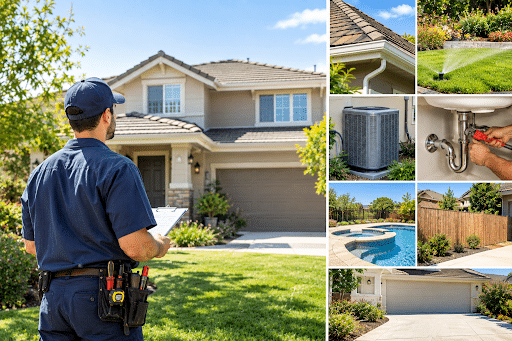
This is where the difference shows up most in practice. An apartment owner might handle interior repairs and rely on a super or HOA for the rest. A single-family owner is responsible for the whole structure:
- Roof, gutters, and exterior paint, which an apartment owner in a managed building rarely thinks about directly
- Landscaping and irrigation, since there’s no shared grounds crew covering it
- HVAC, plumbing, and electrical systems that serve the entire home rather than a single unit
- Pool or spa maintenance, if the property has one, which comes with its own regular upkeep and, in many areas, safety requirements
- Fencing, driveways, and any outbuildings, which read as part of “the house” to a renter even though they’re easy to overlook
A Maintenance plan built specifically around a single-family home accounts for all of this up front, rather than discovering each item the first time it breaks. It’s also where the cost of self-managing tends to sneak up on an owner: any one of these can turn into an afternoon lost to vendor calls instead of ten minutes flagged to a Services team that already has someone on call for it.
Who Actually Rents A Single-Family Home

The renter profile skews differently than apartment renters too, and that shapes both marketing and screening:
- Families wanting yard space, a garage, and a quiet street, often prioritizing school district over almost anything else
- Renters with pets, since a fenced yard is one of the few rental options that genuinely accommodates a dog without restriction
- Longer-term tenants generally, since moving a household out of a house is a bigger undertaking than moving out of an apartment, which tends to mean fewer turnovers per year than a comparable apartment unit
- Remote workers who want a dedicated home office, something a one-bedroom apartment often can’t offer
A listing that leads with square footage and bedroom count, without mentioning the yard, the school zone, or the pet policy, is missing what this renter is actually comparing options on. It also changes the math on vacancy: a family relocating for a school year, or a renter who’s put down roots with a fenced yard for their dog, is a lot less likely to leave after one lease term than a renter cycling through apartments near a college or a short-term job assignment.
Screening Looks A Little Different Too
The core screening checks don’t change by property type:
- Income verification
- Credit history
- Rental history
- Background check
What does change is what a single-family application often includes on top of those: a pet application or pet deposit, sometimes a larger household size than a comparable apartment would allow, and occasionally a longer list of references given the size of the commitment on both sides. Running every applicant through the same standard, regardless of household size or whether they have a pet, keeps the process fair and defensible, and protects a landlord if a decision is ever questioned by a resident or applicant later.
What Turnover Costs On A House

Turnover on a single-family home tends to cost more than turnover on an apartment unit, for reasons that are easy to underestimate:
- A full yard needs to be brought back to a rentable standard, not just a unit’s interior
- Owner-supplied appliances, if the home has them, are more common in houses than apartments and add another category of possible repair or replacement
- A longer average tenancy means deferred maintenance has more time to build up between move-outs, so the eventual turnover list is often longer
- Re-marketing a house takes more effort than re-listing a unit in a building that already has a waiting list of interested renters
None of that means turnover should be feared, just budgeted for differently than an apartment owner might expect. A reasonable practice is setting aside a maintenance reserve sized to the property rather than a flat percentage borrowed from apartment-management advice, since a house with a pool or an older roof carries a different risk profile than a newer condo unit ever would.
When Professional Management Actually Pays Off Here
The case for professional management on a single-family home isn’t the same case as it is for a multi-unit building. It’s less about coordinating dozens of units and more about a single owner not having the time, local vendor relationships, or bandwidth to be the one absorbing every roof leak, irrigation problem, and 11 PM maintenance call personally.
Full Property Management picks up pricing, marketing, screening, rent collection, and maintenance coordination for the life of the tenancy, while Leasing support alone covers getting a qualified tenant placed if that’s the only piece an owner needs help with. For an owner who lives out of the area, owns more than one property, or simply doesn’t want to be the one fielding every call about the sprinklers, that gap is usually where professional support earns its cost back fastest.
Conclusion
Managing a single-family rental well means accepting that everything about the property, not just the unit, is the owner’s responsibility: the roof, the yard, the pool, the fence line. That’s a different job than managing an apartment, even when the tenant relationship itself looks similar on paper. Owners who plan for that difference upfront, rather than discovering it one repair at a time, tend to have an easier time of it.
If managing the full scope of a single-family rental has started to feel like more than expected, Bird Property Management provides full property management and leasing support for houses throughout the Santa Clarita Valley, San Fernando Valley, and Antelope Valley. Explore more landlord guides on our blog, or go ahead and Schedule a Consultation if you’d rather just talk through your property directly.
FAQs
How Is Managing A Single-Family Rental Different From An Apartment?
The owner is responsible for the entire structure, roof, yard, systems, and exterior, rather than sharing that load with an HOA or building staff, and vacancies affect 100% of the property’s income rather than one unit among many.
What Maintenance Should I Expect With A Single-Family Rental?
Roofing, landscaping and irrigation, HVAC, plumbing, electrical, and pool or spa upkeep if the home has one, plus fencing and any outbuildings, all fall to the owner directly.
Do Single-Family Rentals Attract Different Tenants Than Apartments?
Generally yes. Families, pet owners, and remote workers who want yard space or a home office tend to prioritize single-family homes, and tenancies tend to run longer than in a comparable apartment.
Is Professional Property Management Worth It For A Single House?
Often yes, especially for an owner who’s out of the area, owns more than one property, or doesn’t want to personally handle every maintenance call. The time and vendor-relationship gap tends to be where it pays for itself fastest.
Does Turnover Cost More On A House Than An Apartment?
Usually. Yard restoration, owner-supplied appliances, and more time for deferred maintenance to build up between move-outs all add to what a house turnover typically involves compared to a unit turnover.
Can I Self-Manage A Single-Family Rental, Or Do I Need Help?
Plenty of owners self-manage successfully, especially with one property and time to handle maintenance calls personally. It tends to get harder with distance, a second property, or a home with higher-maintenance features like a pool, at which point the vendor relationships and systems a property manager already has become worth more.